



Truck Dock Leveler: A Complete Buying Guide with Load Ratings and Safety Tips A practical field gu...
Oibríochtaí Saoráide · Fad saoil Trealaimh
An féidir le Leibhéil Duga Caitheamh agus Cuimilt ar Forklifts agus Pallet Jacks a Laghdú?
Ócáid bheag mheicniúil is ea gach bearna nach dtacaítear léi idir leaba leantóra agus urlár trádstórais — corraíl, casadh, turraing tríd an gcrann. Agus é iolraithe thar na mílte trasrianta in aghaidh na bliana, is é an t-imeacht sin an chúis chiúin a théann cabhlaigh in aois níos tapúla ná mar ba chóir.
An Freagra Díreach
A suiteáilte agus a chothabháil i gceart leibhéalóir duga dhéanann laghdú suntasach a dhéanamh ar chaitheamh agus cuimilt ar fhorklifts agus seaicéid phailléid . Trí dheireadh a chur leis an mbearna agus an neamhréir airde idir leaba leantóra agus urlár an stórais, baintear leibhéalóir duga an fhoinse aonair is mó de strus meicniúil a bhíonn ag trealamh láimhseála ábhair le linn luchtaithe agus díluchtaithe. Gan leibhéalóir, tá iallach ar fhorklifts agus seaicéid phailléid tiomáint thar phointe trasdula míchothrom mórán nó fiú na céadta uair in aghaidh an tsift, agus cuireann gach pas scairt tríd na rothaí, acastóirí, forcanna agus comhpháirteanna hiodrálacha. Thar na míonna agus na blianta, cuireann an tionchar seo arís agus arís eile dlús le caitheamh bonn, scaoileann sé na dúntóirí, cuireann sé béim ar na táthaithe, agus giorraíonn sé saol seirbhíse na rónta hiodrálacha agus na gcomhpháirteanna crann.
Agus dromchla trasdultach ualach-rátaithe mín i bhfeidhm, téann an trealamh trasna eitleán cothrom in ionad preabadh thar liopa nó titim isteach i mbearna. Tugann an t-athrú aonair seo aghaidh ar chostas cothabhála nach ndéanann go leor áiseanna meastachán orthu go dtí go dtosaíonn siad ag rianú minicíocht deisiúcháin trealaimh roimh agus tar éis leibhéalóir duga a shuiteáil.
Rath
Tuairiscíonn áiseanna a uasghrádaíonn ó rampaí seasta go leibhéalóirí rátáilte i gceart níos lú glaonna cothabhála laistigh den chéad bhliain oibríochta.
An Fáth is cúis leis an mBearna Damáiste
Is annamh a shuíonn leapacha leantóir ag an airde chéanna le hurlár stórais. Is féidir le cineál fionraí leantóra, meáchan ualaigh, brú na mbonn, agus fiú leibhéal breosla airde an leaba a athrú roinnt orlach. Gan feiste leibhéalta, cuireann oibrithe iallach ar an trealamh dul thar bhearna géar gan tacaíocht nó úsáideann siad rampaí aistrithe nach bhfuil rátáilte le haghaidh ualaí troma arís agus arís eile. Cuireann an dá chur chuige strus gan ghá ar rothaí agus frámaí.
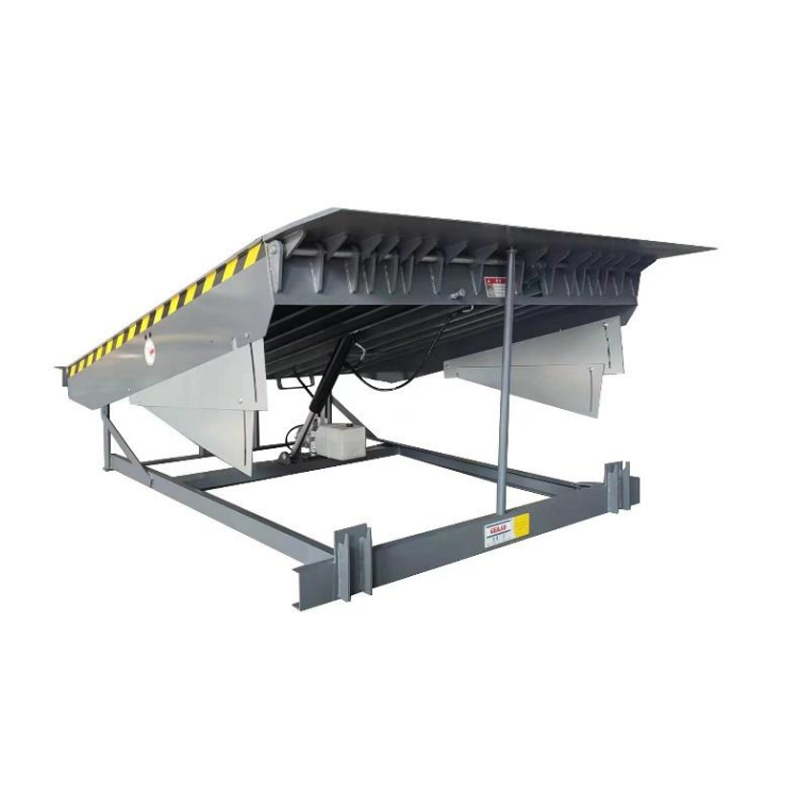
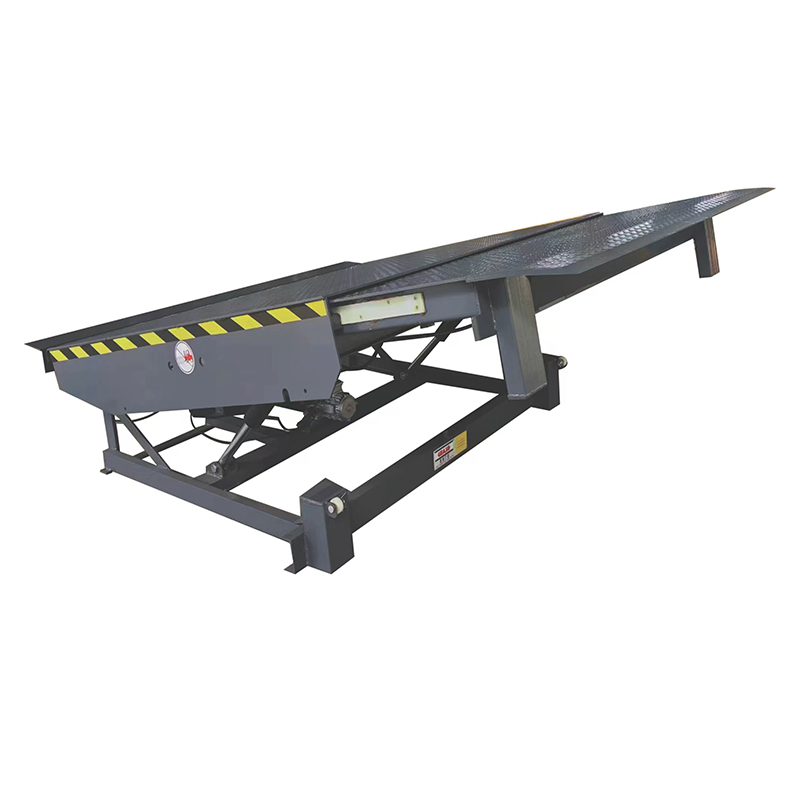
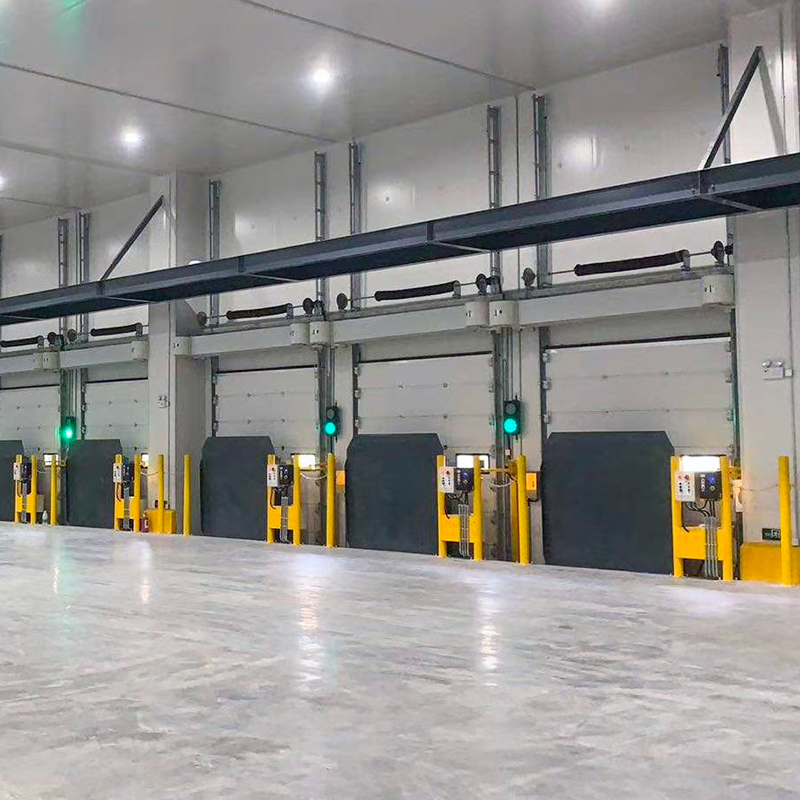
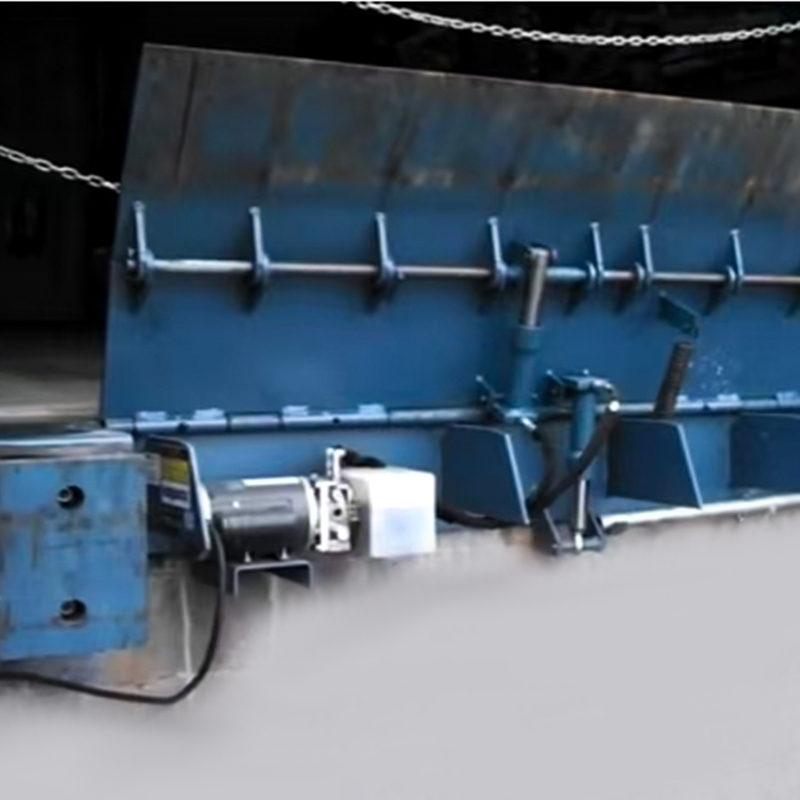
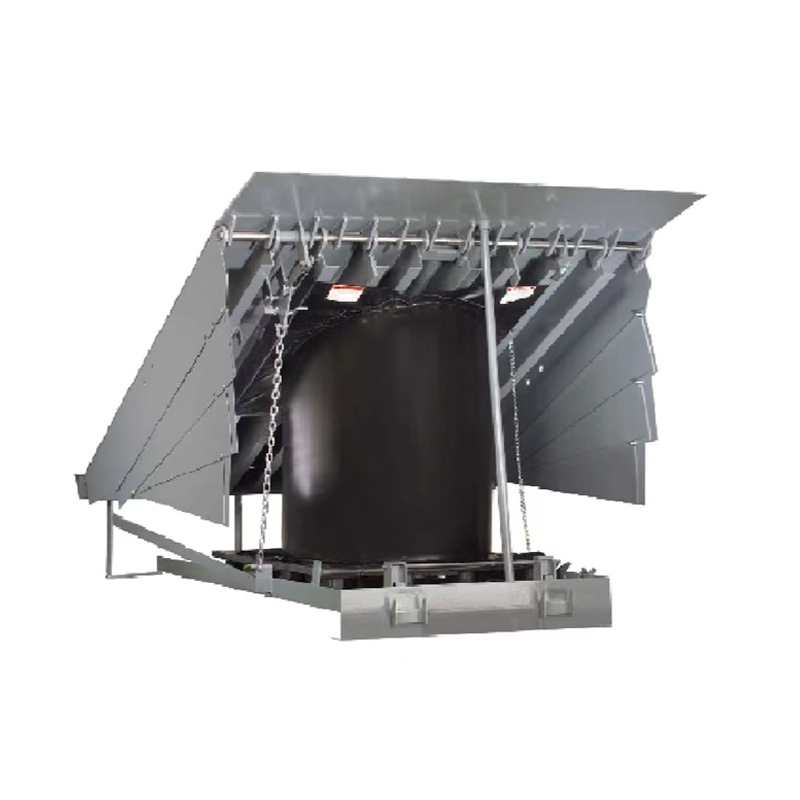
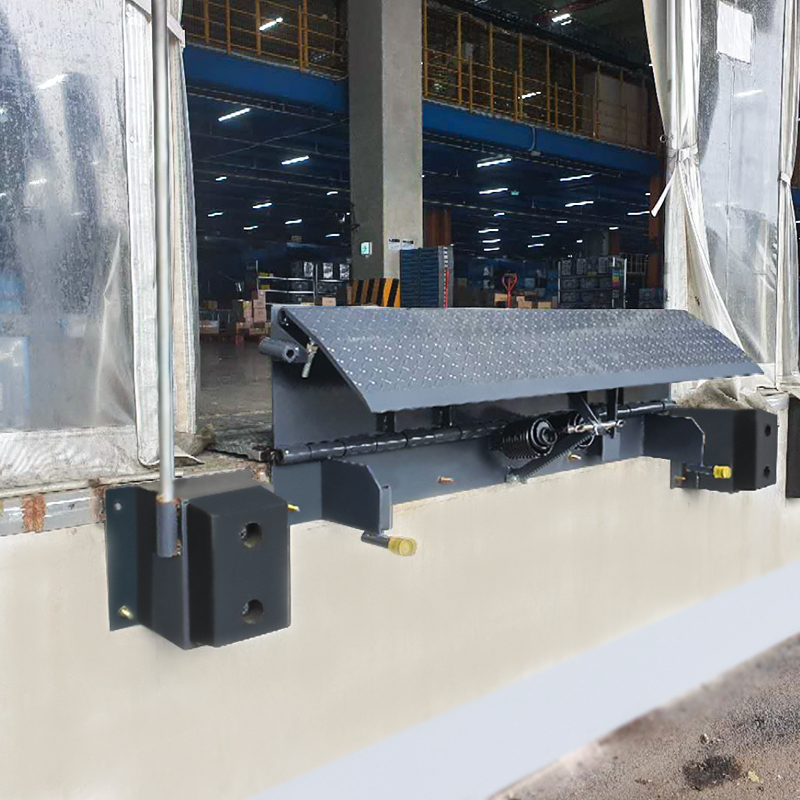
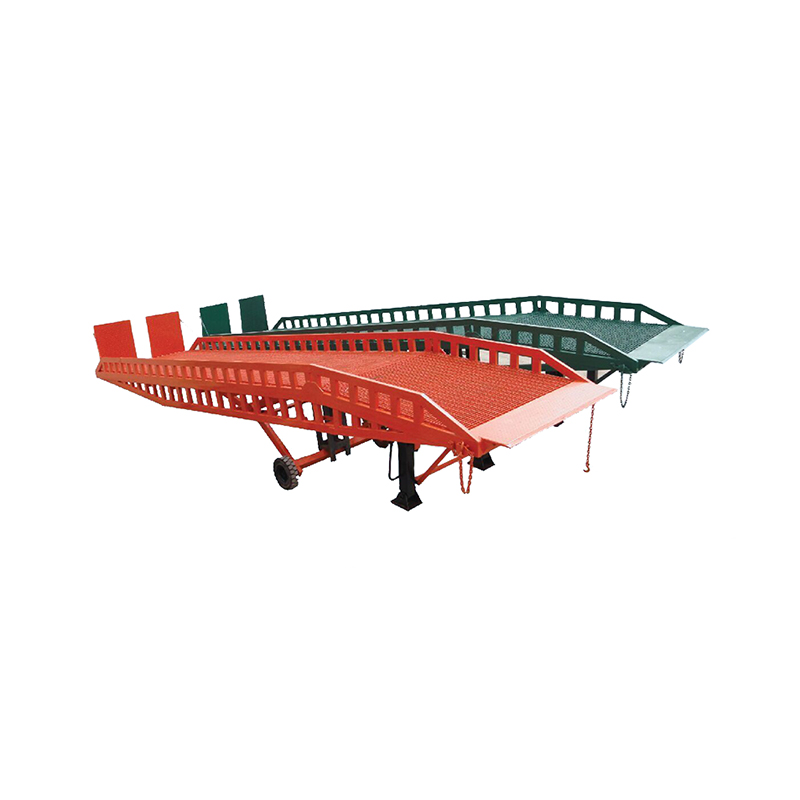
leibhéalóir duga
Pointí Coitianta Strus Trealaimh Gan Leibhéil
- Rothaí caster tosaigh ionsú tionchar arís agus arís eile ag imeall na bearna
- Leideanna forc ag bualadh urlár an leantóra nuair a bhíonn an neamhréir airde míchothrom
- Sorcóirí crann hiodrálacha ag fulaingt turrainge luchtú ó thiteann tobann
- Comhpháirteanna an acastóra stiúrtha ag scaoileadh ó chreathadh tairiseach
- Forcanna jack pailléid ag lúbadh beagán le gach titim as imeall gan tacaíocht
Cruinníonn forklift a dhéanann 150 trasrian duga in aghaidh an lae na mílte tionchar arís agus arís eile gach bliain - go díreach an caitheamh carnach a bhfuil leibhéalóir pláta duga deartha chun deireadh a chur leis.
Mar a chosnaíonn Dromchla Leibhéal Forklifts
Is meaisíní troma cruinne iad na forklifts a bhfuil lamháltais dochta acu ina gcórais stiúrtha, hiodrálacha agus ardaitheora. Nuair a thrasnaíonn forklift bearna drochdhroichid, aistríonn an t-athrú tobann ar uillinn fórsa díreach isteach sa chrann agus sa chassis. Le himeacht ama, is féidir go dtiocfadh forcanna mí-ailínithe, boltaí scaoilte, agus teip roimh am ar chomhpháirteanna ionsúite turrainge mar thoradh air seo.
A leibhéalóir duga hiodrálach go háirithe cuireann sé trasdul réidh rialaithe ar fáil toisc gur féidir é a choigeartú chun airde beacht leaba an leantóra a mheaitseáil seachas a bheith ag brath ar incline seasta. Ciallaíonn an inchoigeartaithe seo go bhfanann rothaí an fhorklift i dteagmháil leanúnach le dromchla cobhsaí, seachas teagmháil a chailleadh go huaire nó titim tobann a ionsú. Tuairiscíonn áiseanna a aistríonn ó rampaí seasta go leibhéalóirí inchoigeartaithe go minic níos lú glaonna cothabhála forklift a bhaineann le stiúradh agus ailíniú crann laistigh den chéad bhliain.
Comhpháirteanna Forklift is mó a dtéann Aistrithe Duga i gcion orthu
| Comhpháirt | Gan Leibhéil | Le Leibhéil |
|---|---|---|
| Rothaí tosaigh / casters | Turraing arís agus arís eile, caitheamh tread níos tapúla | Teagmháil leanúnach, caitheamh níos moille |
| Sorcóirí crann agus ardaitheoir | Luchtú turraing le linn titeann | Cobhsaí, aistriú meáchain de réir a chéile |
| Nasc stiúrtha | Ag scaoileadh ó chreathadh | Nochtadh creathadh laghdaithe |
| Leideanna forc | Urlár leantóir éagothrom buailte | Iontráil réidh ag airde comhoiriúnaithe |
Jacks Pallet a Chosaint ó Thionchar Arís
Tá seaicéid phailléid, cibé acu láimhe nó leictreach, go háirithe i mbaol damáiste a bhaineann le bearna mar go ndéanann a rothaí beaga agus a n-imréiteach talún íseal iad a bheith íogair do dhifríochtaí beaga airde fiú. Is féidir le bearna d'orlach amháin nó dhó a bheith ina chúis le seac pailléid luchtaithe a bheith ag brú go crua chun na leideanna forc a lúbadh nó na clúdaigh rotha a bhriseadh le himeacht ama.
Toisc nach bhfuil fionraí agus mais struchtúrach forklift ag seaic phailléid, tarchuireann siad turraing níos dírí isteach san ualach féin, rud a mhéadaíonn an baol damáiste don táirge chomh maith le caitheamh trealaimh. A leveler pláta duga a dhúnann an bhearna seo ligeann do sheacaí pailléid bogadh ar luas comhsheasmhach gan stadanna tobann nó jolts, ag leathnú saol an roth agus ag laghdú minicíocht deisiúcháin barr forc.
Sochair Laghdaithe Caith Pallet Jack tipiciúil
- Saol roth polúireatán níos faide mar gheall ar níos lú tionchair ghéar
- Riosca laghdaithe de dhífhoirmiú barr forc ó thiteann arís agus arís eile
- Níos lú forcanna rotha scoilte agus clúdaigh acastóra thar úsáid ilbhliantúil
- Rialú oibreoir níos moille, ag laghdú imbhuailtí de thaisme le struchtúir duga
Comparáid Costas Cothabhála
Is minic a aimsíonn bainisteoirí saoráidí a rianaíonn caiteachas cothabhála go léiríonn costais deisiúcháin trealaimh a bhaineann le trasrianta duga sciar intomhaiste dá mbuiséad cothabhála cabhlaigh iomlán. Cé go n-athraíonn figiúirí cruinne de réir mhéid na saoráide agus aois an trealaimh, tá an patrún comhsheasmhach: tá bearnaí duga gan seoladh i gcomhchoibhneas le minicíocht níos airde de dheisiúcháin stiúrtha, rotha agus hiodrálacha.
| Catagóir Cothabhála | Gan Leibhéil | Le Leibhéil |
|---|---|---|
| Minicíocht athsholáthair roth / bonn | Níos minice | Eatraimh leathnaithe |
| Deisiúcháin forc agus crann | Minicíocht níos airde | Minicíocht níos ísle |
| Imeachtaí aga neamhphleanáilte | Níos coitianta | laghdaithe |
Eolas
Is minic a bhíonn aga neamhfhónaimh laghdaithe chomh luachmhar le costais deisiúcháin laghdaithe - is uair an chloig de tháirgiúlacht caillte é gach uair a chaitheann forklift sa siopa.
Roghnú an Chineál Leibhéil Ceart
Ní thairgeann gach réiteach leibhéalta an leibhéal céanna cosanta. Is féidir le rampaí seasta agus plátaí droichead simplí cabhrú, ach ní choigeartóidh siad go huathoibríoch chun airde leantóirí a athrú i rith an lae. A leibhéalóir duga hiodrálach oiriúnú go leanúnach de réir mar a ardaíonn nó a thiteann an leaba leantóra le linn luchtaithe agus díluchtaithe, rud a choinníonn an uillinn aistrithe íosta i gcónaí seachas ag tús an phróisis luchtaithe amháin.
Príomhfhachtóirí Agus Leibhéil á Roghnú
- Tá rátáil acmhainne ualaigh comhoiriúnaithe leis an gcomhcheangal forklift agus ualaigh is troime a úsáidtear ag an áis
- Is leor leithead agus fad an ardáin chun an trealamh is leithne a théann thairis air go laethúil
- Dearadh liopaí a chruthaíonn trasdul réidh, íseal-uillinn isteach sa leaba leantóra
- Luas freagartha na meicníochta leibhéalta mar a aistríonn airde an leantóra le linn an luchtaithe
- Ábhar dromchla agus rátáil tarraingthe chun sciorradh roth faoi ualach a chosc
Rabhadh
Ceann de na cúiseanna is coitianta a bhaineann le leibhéalóir roimh am agus le caitheamh trealaimh ná ró-bheag a dhéanamh ar acmhainn ualaigh an leibhéalta i gcomparáid le meáchan iarbhír an chabhlaigh.
Céimeanna Praiticiúla chun Laghdú Caitheamh a Uasmhéadú
Níl ann ach cuid den chothromóid a shuiteáil leibhéalóir. Leanann na háiseanna a fhaigheann an chosaint is mó dá dtrealamh roinnt cleachtas oibríochta a threisíonn an tairbhe.
Cleachtais Molta
- Déan iniúchadh rialta ar insí, spriongaí agus meicníocht liopaí an leibhéalóra chun an t-aistriú a choinneáil réidh
- Oibreoirí traenach chun an leibhéalóir a thrasnú ar luas rialaithe, measartha seachas a bheith ag luasghéarú thairis air
- Acmhainn rátáilte an leibhéalóra a mheaitseáil le meáchan an chabhlaigh reatha agus amach anseo, lena n-áirítear pailléid lánluchtaithe
- Coinnigh an dromchla leibhéalta glan ó bhruscar a d'fhéadfadh pointe teagmhála míchothrom a chruthú
- Péireáil an leibhéalóir le srianta cuí leantóra ionas nach n-aistríonn an leantóir lár-lódála agus cuir bearna isteach arís
Contúirt
Má dhéantar bac ar shrianta leantóra taobh le leibhéalóir is féidir leis an leantóir sníomh le linn an luchtaithe, rud a thugann isteach arís an bhearna a suiteáladh an leibhéalóir lena bhaint - agus baol mór timpiste trealaimh nó pearsanra.
Mar a Méadaíonn Minicíocht Trasnaithe an Tionchar
Fáth amháin is minic a dhéantar tearc-mheastachán ar an leas a bhaineann le laghdú caitheamh le leibhéalóir ná go mbíonn claonadh ag bainisteoirí saoráidí smaoineamh ar thurais aonair seachas ar mhéid carnach. D'fhéadfadh ionad dáileacháin meánmhéide ag rith dhá sheal a fheiceáil go dtrasnódh forklift amháin an tairseach duga go maith os cionn céad uair in aghaidh an lae nuair a bhíonn leantóirí iolracha á luchtú agus á ndíluchtú. Méadaigh sin faoi chúig, deich, nó fiche forklift ag feidhmiú thar roinnt doirse duga, agus is féidir líon na dtrasnuithe bearna gan tacaíocht gach seachtain a dhreapadh isteach sna mílte.
Léiríonn gach ceann de na trasrianta sin, nuair nach bhfuil leibhéalóir ag tacú leo, imeacht meicniúil beag ach fíor: brú ar imthacaí an rotha, nóiméad suaite luchtaithe ar an gcrann, casadh beag sa nasc stiúrtha. Níl aon cheann díobh seo ina chúis le briseadh síos, ach is é an éifeacht charnach a ghiorrú saol na gcomhpháirteanna. Sin é an fáth go bhfeiceann áiseanna le líon ard tráchta duga an buntáiste coibhneasta is mó ó shuiteáil leveler, ós rud é go laghdaítear na scálaí laghdaithe caitheamh go díreach le cé chomh minic agus a thrasnaíonn trealamh an tairseach seachas le méid na saoráide féin.
Comharthaí a d’fhéadfadh a bheith ag caitheamh bearna duga cheana féin i gcion ar do chabhlach
- Rothaí tosaigh a thaispeánann spotaí cothroma nó patrúin caitheamh míchothrom i gcomparáid le rothaí cúil
- Minicíocht mhéadaithe na gcoigeartuithe ailínithe stiúrtha le linn gnáthsheirbhíse
- Oibreoirí a thuairiscíonn giolc nó bump faoi deara agus iad ag fágáil limistéar an duga
- Rátaí athsholáthair barr forc níos airde ná mar a bhíothas ag súil leo ar sheiceanna pailléid a úsáidtear go príomha ag doirse duga
- Boltaí scaoilte nó ceanglóirí a aimsíodh le linn iniúchtaí ar threalamh limistéar duga go sonrach
Má bhíonn aon eolas ar na patrúin seo, is fiú a mheas cé acu an mbraitheann socrú reatha an duga ar rampa seasta, ar dhroichead seiftithe, nó ar aon ghléas leibhéalta ar bith. Nuair a dhéantar comparáid idir logaí cothabhála do threalamh a oibríonn doirse duga go príomha agus trealamh a úsáidtear in áiteanna eile sa tsaoráid, is minic a léirítear bearna shoiléir sna rátaí caitheamh, rud a d’fhéadfadh cabhrú leis an gcostas a bhaineann le huasghrádú go ráta cuí a chosaint. leveler pláta duga nó aonad hiodrálach inchoigeartaithe go hiomlán.
Luach Fadtéarmach thar Trealamh Fad saoil
Cé gurb é an saol trealaimh leathnaithe an tairbhe is dírí, leathnaíonn na héifeachtaí ripple tuilleadh. Aistríonn creathadh agus tionchar laghdaithe go dtí níos lú teagmhais sábháilteachta, ós rud é go bhfuil trealamh a bhfuil stiúrtha caite nó forcanna éagobhsaí níos dóichí d'earráid oibreora. Is gnách go n-íslíonn rátaí damáiste do tháirgí freisin, toisc nach ndéantar ualaí a bhrú le linn aistrithe. Is minic a aimsíonn áiseanna a chomhcheanglaíonn leibhéalóir dea-chothabhála le sceideal iniúchta trealaimh réamhghníomhach go maireann a bhflít iomlán láimhseála ábhair níos faide ná meán an tionscail, rud a chuireann moill ar chostas caipitil athsholáthair an chabhlaigh.
I mbeagán focal, íocann an infheistíocht i gcóras leibhéalta cáilíochta as féin ní hamháin trí níos lú deisiúcháin, ach trí luach cumaiscthe cabhlach trealaimh atá níos sábháilte, níos éifeachtaí agus níos faide a mhaireann.
